The Hidden Danger: Why You Should Avoid Asbestos Roofing Sheets
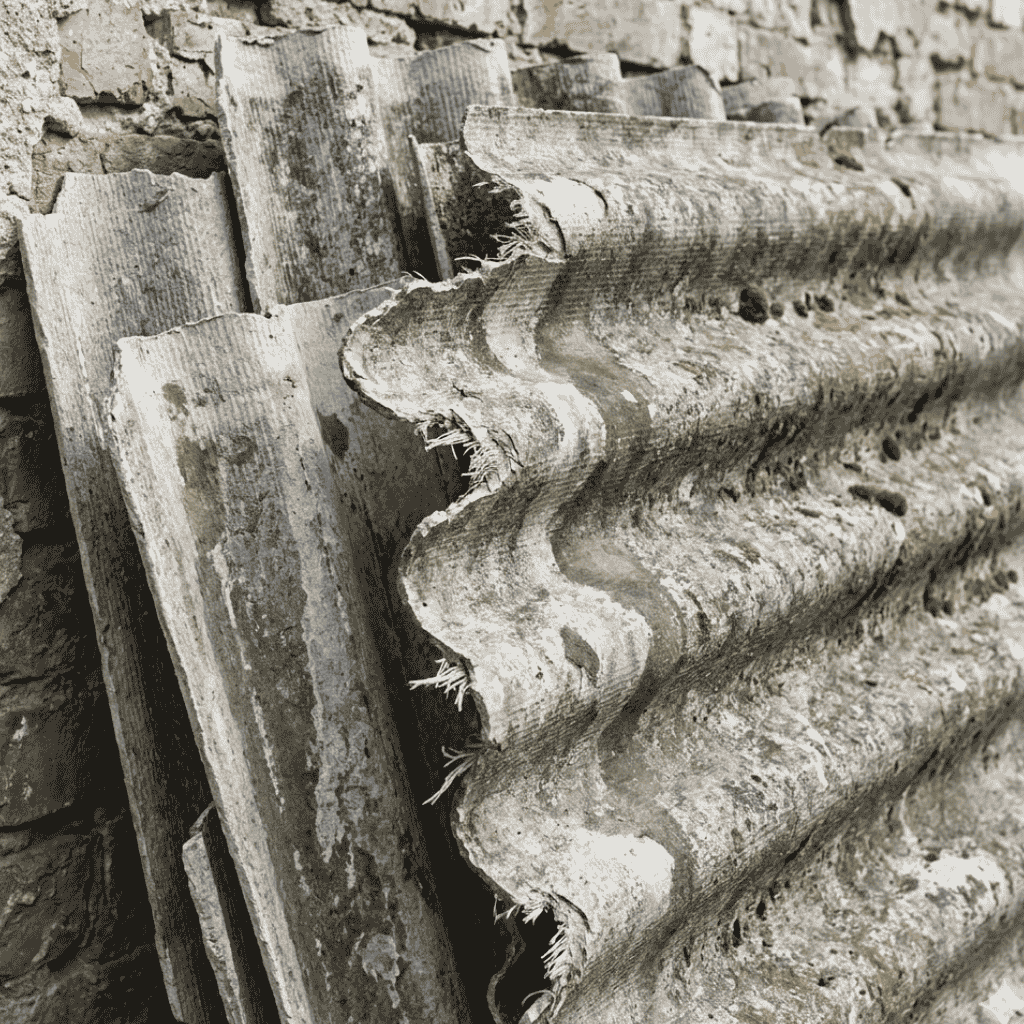
When it comes to building a home, the roof is often viewed simply as a structural necessity, a shield against the sun and rain. However, the materials we choose for our overhead protection have a profound impact on our health, the environment, and the long-term value of our properties. For decades, asbestos roofing sheets were the industry standard across the globe, praised for their fire resistance and affordability. Today, we know better.
At Djocon Roofing Systems, we believe a roof should provide peace of mind, not a hidden health threat. As modern construction shifts toward safe roofing solutions, it is critical to understand why the materials of the past are no longer fit for the future. This article explores the severe risks associated with asbestos and why transitioning to eco-friendly tiles is the smartest move for any property owner.
What Are Asbestos Roofing Sheets?
Asbestos is a group of naturally occurring silicate minerals that can be pulled into a fluffy, fibrous consistency. Because these fibers are remarkably strong and resistant to heat, electricity, and chemical corrosion, they were once considered a “miracle material” in the construction world.
In the mid-20th century, manufacturers blended asbestos fibers with cement to create asbestos roofing sheets. These corrugated panels became incredibly popular because they were inexpensive to produce, lightweight, and virtually fireproof. They were installed in millions of residential homes, factories, and farm buildings worldwide.
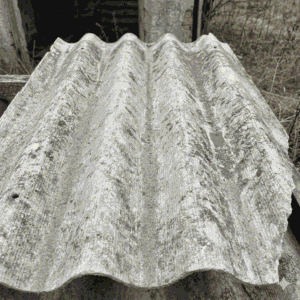
Despite their functional durability, the very thing that made asbestos useful, its microscopic, indestructible fibers, is also what makes it incredibly deadly. As these sheets age, weather, or break, they transition from a solid building material into a significant health hazard.
The Severe Health Hazards of Asbestos Roofing Sheets
The primary reason why health organizations and governments worldwide have banned or restricted asbestos roofing sheets is the biological damage caused by fiber inhalation. When asbestos-containing materials are disturbed, they release microscopic fibers into the air.
1. Inhalation of Microscopic Fibers
Unlike dust or sand, asbestos fibers are too small to be seen by the naked eye and are easily inhaled. Once they enter the respiratory system, they become lodged deep in the lung tissue. Because the body cannot break down these mineral fibers, they remain there forever, causing chronic inflammation and scarring.
2. Life-Threatening Diseases
Exposure to these fibers is linked to several debilitating and often fatal conditions:
- Mesothelioma: A rare and aggressive form of cancer that develops in the lining of the lungs, abdomen, or heart. It is almost exclusively caused by asbestos exposure.
- Asbestosis: A chronic lung disease caused by the scarring of lung tissue. It leads to severe shortness of breath and permanent lung damage.
- Lung Cancer: While smoking is a leading cause, asbestos exposure significantly multiplies the risk of developing malignant tumors in the respiratory tract.
READ ALSO: Best Roofing Sheets for a Ghanaian Home: The Exceptional Guide to Durability and Style
3. The Risk of Aging and Weathering
A brand-new asbestos sheet is often “non-friable,” meaning the fibers are locked within the cement. However, as the roof is exposed to years of tropical sun, heavy rain, and wind, the cement binder begins to degrade. This “weathering” process exposes the fibers, allowing them to be washed into gutters or blown into the home’s attic and living spaces.
Environmental Impact of Asbestos Roofing
The dangers of asbestos roofing sheets extend far beyond the walls of your home; they pose a persistent threat to the local ecosystem. Sustainable building practices prioritize eco-friendly tiles because they do not contaminate the surrounding environment during their lifecycle.
Soil and Water Contamination
When rain falls on an aging asbestos roof, it picks up microscopic fibers and carries them into the soil around the house. This contaminates the ground where children play or where gardens are planted. Furthermore, many homeowners collect rainwater for domestic use. If that water has run over an asbestos surface, it may contain fibers that are harmful if ingested or handled.
Long-Term Environmental Persistence
Asbestos does not “biodegrade.” Once released into the environment, it remains there indefinitely. This creates a massive challenge for waste management. Old roofing sheets cannot be recycled or burned; they must be buried in specialized hazardous waste landfills to prevent further contamination of the biosphere.
Safe Disposal of Asbestos Roofing Materials
If you discover that your home or building contains asbestos roofing sheets, your first instinct might be to tear them down immediately. Do not attempt a DIY removal. Handling asbestos without professional training is the most common way people are exposed to high concentrations of toxic fibers.
Why Professional Removal is Essential
Cutting, drilling, or even walking on old asbestos sheets can cause them to crack and release a cloud of dust. Professional abatement teams follow strict government safety regulations to ensure the site is contained.
- Containment: The area is often sealed with plastic sheeting to prevent dust from traveling.
- Wet Stripping: Professionals use specialized wetting agents to keep the sheets damp during removal, which prevents fibers from becoming airborne.
- Personal Protective Equipment (PPE): Workers wear industrial-grade respirators and disposable hazmat suits.
- Proper Transport: The hazardous material is double-bagged in labeled, heavy-duty plastic and transported to authorized disposal sites.
By following these protocols, you ensure that the removal process doesn’t end up polluting your neighborhood or your family’s lungs.
Modern Alternatives: The Djocon Advantage
As we move away from toxic materials, safe roofing technology has evolved to offer superior protection without the biological cost. At Djocon, we specialize in stone-coated Alu-Zinc steel tiles that outperform traditional materials in every category.
Why Choose Alu-Zinc Steel Over Asbestos?
While asbestos was used for its durability, our Alu-Zinc Steel (AZ150G) is up to six times more durable than ordinary galvanized sheets. It combines the sacrificial protection of zinc with the corrosion resistance of aluminum. Unlike asbestos, our tiles:
- They are Non-Toxic: They do not release harmful fibers or chemicals.
- They are lightweight but Strong: They put less stress on your building’s structure while offering incredible impact resistance.
- Maintain Aesthetics: Available in profiles such as Classic, Milano, and Shingle, they offer a luxurious look that asbestos can never match.
Why Eco-Friendly Roofing Is the Future
The global shift toward eco-friendly tiles is driven by a desire for sustainability and improved household safety. Choosing a modern roofing system like Djocon isn’t just a design choice; it’s an investment in a healthier future.
Better Rainwater Harvesting
Unlike runoff contaminated with asbestos, rainwater collected from stone-coated steel roofs is significantly cleaner. Our natural stone chips and acrylic resins are chemically stable, making them a much safer option for those who rely on harvested water for gardening or secondary domestic use.
Thermal Comfort and Energy Efficiency
Asbestos was once praised for insulation, but modern stone-coated tiles offer superior thermal performance. The air gap between the tiles and the roof deck, combined with the reflective properties of Alu-Zinc, helps keep interiors cooler, reducing the energy needed for air conditioning.
Signs Your Roof May Contain Asbestos
If you are a homeowner or a property investor, it is vital to identify potential risks. While only a laboratory test can confirm the presence of asbestos 100%, here are some signs to look for:
- Age of the Building: If the structure was built or renovated between the 1930s and the late 1990s, there is a high probability that the roofing contains asbestos.
- Appearance: Asbestos sheets are usually corrugated (wavy) and have a dull, grey, or off-white cement-like appearance.
- Texture: Older sheets often show signs of “fuzziness” or surface wear where the fibers are starting to poke through the cement matrix.
- Lichens and Moss: Because asbestos cement is porous, it often hosts heavy growth of moss or lichen, which can further break down the material.
If you suspect your roof contains asbestos, contact a professional inspector to assess its condition before performing any maintenance or renovations.
READ ALSO: Tips for Roofing Your First Home
Conclusion
The legacy of asbestos roofing sheets is one of hidden danger. While they served a purpose in the construction boom of the last century, the health hazards they pose, ranging from asbestosis to terminal cancer, make them an unacceptable risk in the modern world. Protecting your family and your investment requires a shift toward safe roofing materials that prioritize human health and environmental integrity.
By choosing eco-friendly tiles from Djocon Roofing Systems, you are not just getting a beautiful roof; you are choosing a lifetime of security. Our stone-coated steel tiles offer the classic charm of traditional designs with the cutting-edge safety of 21st-century technology. Don’t let your roof be a liability. Replace your old asbestos roofing sheets with a durable, beautiful, and safe alternative today.
Would you like a free consultation to see how our Classic, Milano, or Shingle tiles can transform your home into a safe, asbestos-free haven? Contact Djocon Roofing Systems Today!