Why you should avoid concrete roofs: 2026 Guide
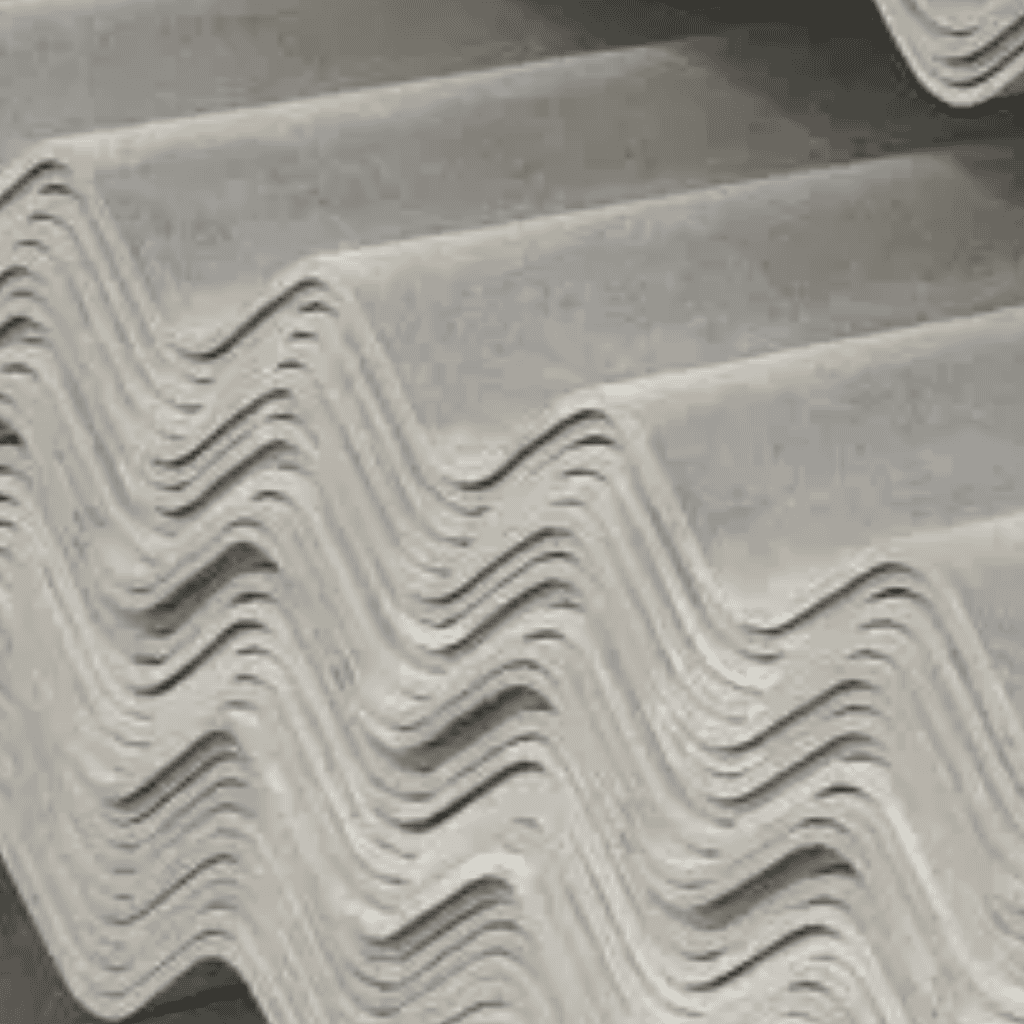
For decades, many homeowners and builders have defaulted to concrete roofs under the impression that “heavier means stronger.” On the surface, concrete appears to be a solid, permanent solution for shielding a home. However, as modern engineering evolves, the hidden drawbacks of these traditional systems are becoming harder to ignore.
While the initial appeal of concrete is its perceived sturdiness, the long-term reality often involves structural strain, moisture retention, and costly maintenance. At Djocon Roofing Systems, we believe a roof should protect your home without becoming a burden to its foundation. Before you commit to a heavy overhead structure, it is essential to understand why the industry is shifting away from concrete roofs toward more advanced, sustainable solutions.
Weight and Structural Stress: The Heavy Burden of Concrete
One of the most significant and often overlooked issues with concrete roofs is their immense weight. Concrete is one of the heaviest roofing materials available, and this mass places a constant, unrelenting load on your home’s skeletal structure.
READ ALSO: Things To Look Out for in a Roofing Contractor
The Hidden Cost of Gravity
When a building is designed for concrete tiles, the entire structural integrity must be over-engineered to support the weight. This means:
- Increased Timber/Steel Costs: You are forced to use thicker, more expensive trusses and rafters to prevent sagging.
- Foundation Strain: Over the years, the downward pressure of heavy roofing can lead to settling issues, especially in areas with expansive soil.
- Earthquake Risks: In seismic zones, a heavy roof creates a high center of gravity, making the building more prone to swaying and structural failure during a tremor.
In contrast, lightweight steel tiles, such as our Alu-Zinc (AZ150G) range, provide the same (or better) protection at a fraction of the weight, significantly extending the lifespan of your home’s walls and foundation.
The Risk of Structural Leaks and Water Damage
A roof’s primary job is to keep water out, but concrete roofs often struggle with permeability. Because concrete is naturally porous, it doesn’t just “shed” water—it can actually absorb it.
Why Concrete Roofs Lead to Leaks
Over time, environmental stressors cause concrete to expand and contract. This leads to several vulnerabilities:
- Micro-Cracking: UV exposure and temperature fluctuations cause small cracks that allow water to seep in.
- Structural Leaks: Once moisture penetrates the concrete, it reaches the underlayment and timber. These structural leaks are often difficult to detect until the ceiling starts to rot or mold begins to grow.
- Water Weight: During heavy rain, a concrete tile can absorb up to 10% of its weight in water. This extra mass further stresses the rafters, increasing the risk of the roof bowing.
Our Roman and Shake tiles eliminate this worry. By using a non-porous Alu-Zinc core sealed with acrylic resin and natural stone chips, we ensure that water stays on the outside, preventing the structural leaks that plague traditional masonry roofs.
Ease of Installation: Concrete Roofs vs. Lightweight Steel Tiles
The process of installing concrete roofs is labor-intensive, slow, and physically demanding. It requires a massive crew to haul heavy tiles onto the roof, increasing the risk of workplace accidents and prolonging the construction timeline.
The Lightweight Steel Advantage
Switching to lightweight steel tiles transforms the installation experience:
- Speed: Because the tiles are larger and lighter, they can be installed in a fraction of the time.
- No Plywood Required: Unlike old-fashioned shingles, our Shingle Roof Tile installs directly onto the purlins, saving you time and material costs.
- Interlocking Security: While concrete tiles often rely on gravity to stay in place, Djocon tiles feature an interlocking system. This makes them virtually wind-proof, whereas heavy concrete tiles can become dangerous projectiles in high-wind events.
Comparing the Options: A Quick Glance
| Feature | Concrete Roofs | Djocon Lightweight Steel Tiles |
| Weight | Very High (Heavy Roofing) | Ultra-Lightweight |
| Structural Impact | High Stress on Foundation | Low Stress / Preserves Structure |
| Leak Resistance | Prone to Cracking & Absorption | 100% Water-Tight Alu-Zinc Core |
| Maintenance | High (Requires Painting/Sealing) | Zero Maintenance |
| Longevity | Medium (Degrades over time) | High (AZ150G Coating Protection) |
Why Modern Homeowners Are Making the Switch
The myth that concrete roofs are the “premium” choice is fading. Today’s homeowners prioritize efficiency, aesthetics, and long-term value.
Our Shake Roof Tile, for instance, offers the deep-ribbed, wood-grain aesthetic of traditional cedar or thatch without the fire risk or rot. Similarly, the Roman Roof Tile provides that classic Mediterranean “S-shape” curve found in luxury villas but without the crushing weight of clay or concrete. By choosing these advanced materials, you get the look of a heavy, expensive roof with the performance and safety of modern aerospace-grade steel.
READ ALSO: Popular Roof Designs in Ghana
Frequently Asked Questions About Roofing in Ghana
Question: Are lightweight steel tiles more expensive than concrete?
Answer: While the tiles themselves may have a higher upfront cost, they are significantly more affordable overall. Because they are ultra-lightweight, you save up to 30% on timber and steel trusses and reduce labor costs by finishing the installation in days rather than weeks.
Question: Do metal roofs make the house hotter?
Answer: Quite the opposite. Unlike concrete, which absorbs and “stores” heat (thermal mass) that radiates into your home at night, Djocon’s stone-coated tiles reflect UV rays. When paired with our Alu-Zinc (AZ150G) core, your home stays cooler, and your AC works less.
Question: Is a lightweight roof safe during heavy Ghanaian rain and wind?
Answer: Yes. Concrete tiles rely mostly on gravity to stay down. Our Classic, Milano, and Roman tiles feature a specialized interlocking system that secures each tile to the next. They are rated to withstand high-velocity winds that would easily lift or shift heavy concrete tiles.
Conclusion: Build for the Future
Choosing a roof is one of the most critical decisions in the home-building process. While concrete roofs have been a staple for decades, their tendency to cause structural leaks, their massive weight, and their long-term maintenance needs make them an outdated choice for the modern climate.
By opting for lightweight steel tiles, you aren’t just buying a roof; you are investing in the longevity of your entire home. At Djocon Roofing Systems, we combine the strength of Alu-Zinc Steel (AZ150G) with the timeless beauty of natural stone coatings to give you a roof that is fade-proof, weather-resistant, and environmentally friendly.
Don’t let your roof weigh your home down. Choose the smarter, stronger, and more stylish alternative.
Ready to upgrade your home’s protection?
Explore our full range of Classic, Milano, Shingle, and Roman tiles today. Contact Djocon Roofing Systems for a professional consultation and a quote tailored to your project. Let’s build a roof that lasts a lifetime!